Expertise
About us
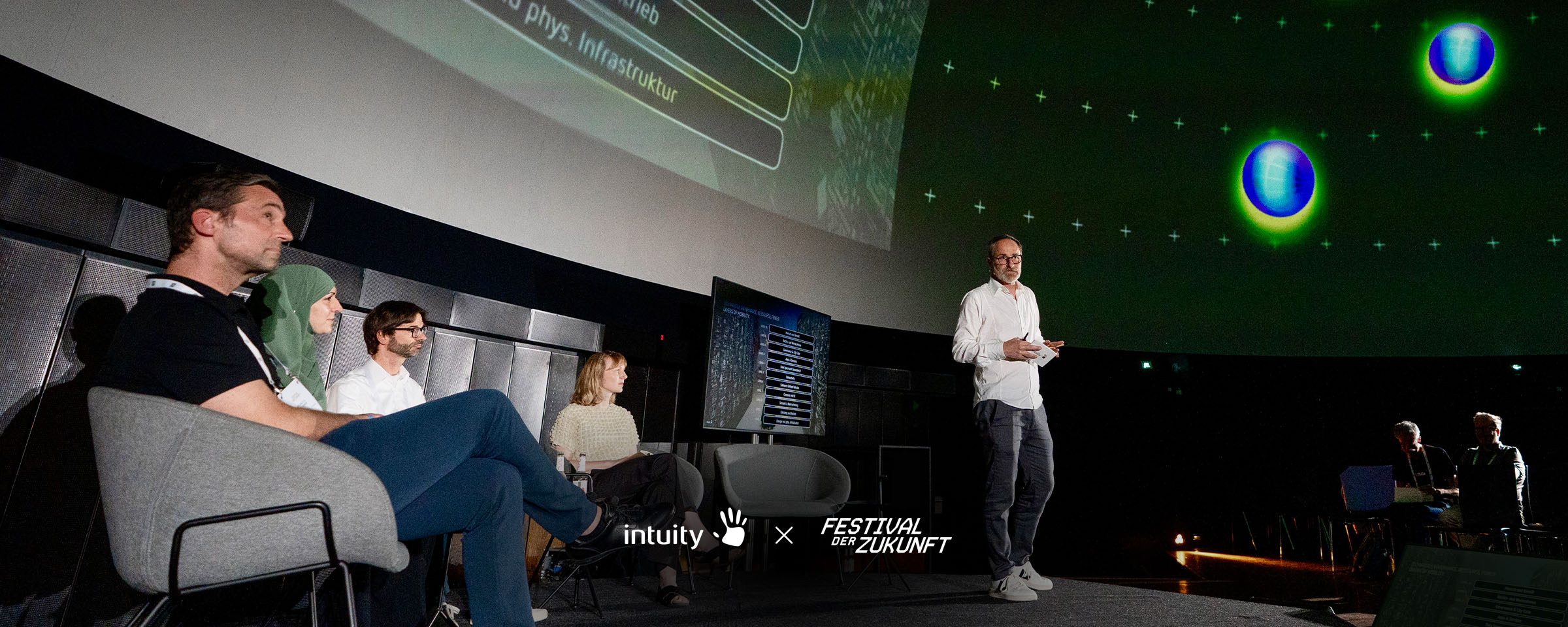
Mobility Panel at the Festival der Zukunft
We discussed what needs to happen: clarified, decided, and implemented. None of the usual debates about technology and drive systems, but rather about who will occupy the new orchestration layers – like bridgeheads – and define what becomes possible and what is permitted. It should be the sovereign, that much is clear from the outset.
We know enough to take targeted action. The evidence from countless pilot projects and studies is available, and the technology is here—autonomous driving, data platforms, and connected systems. The question is who will control the new layers of orchestration – in terms of data, platforms, and the city’s rules, the “City Code” – and thereby define what becomes possible, what is permitted, and what services, access, and prices will be available. This power struggle will not be decided among automakers, but at this level. Taking a solution-oriented approach means defining desirable mobility at this layer – from the physical infrastructure to the benefits for people. The leveraging point lies in the systemic framework.
Wolfgang Gruel pointed out the reality of the city: If new modes of transportation – autonomous taxis, deliveries, pick-up and drop-off services, and other vehicle fleets that currently exist only as ideas in the lab – were allowed to operate unregulated, traffic would multiply, and land use would increase along with it. The paradox: If everyone chooses what’s individually convenient (freedom of choice), the whole situation tips into the dystopian. The limit isn’t technology, but space. Those who understand this and act accordingly can turn this threat into an opportunity for livable cities with less traffic, better land use, and lower system costs – for everyone.

Over the decades, research has been conducted and insights gathered through countless pilot projects. However, the gap – from subsidized pilots to sustainable operation – remains unbridged. That is why the panel’s message was a clear, unified call: move beyond exploration and into implementation! The federal government, the states, and the EU must establish the will and the framework for roll-out and scale-up, leveraging three key levers:
- Framework: a binding vision, a legal framework (operating permits, open data and interface standards), and fair pricing for scarce space.
- Security: planning certainty that extends beyond legislative terms and a clear allocation of risks: operations, residual value, and liability. Capital for new infrastructure follows reliability, not appeals.
- Financing: First, adequate base funding for today’s public transit system; then investment and revenue models (guarantees instead of pure subsidies) that make large investments financially viable – “bankable.”
In addition, it is essential to establish a clear direction and system sovereignty while avoiding micromanagement. To provide public services, not every transit authority needs to purchase its own fleet – but sovereignty and control over data, interfaces, and operating software must be carefully orchestrated.

The four speakers summed up what this means in practical terms with clear demands:
- Cities must actively and fairly organize public space. Shared fleets with clear rules on priority and access. The window of opportunity for shaping the future is open. Wolfgang Gruel (HdM Stuttgart / MIT Media Lab)
- We must prioritize the automation of public transit instead of waiting for robotaxis. Europe can shape this. We must make use of this capability. Lucie Kirstein (EIT Urban Mobility)
- We must quickly secure public data sovereignty. Autonomous mobility is a public service, not an IT issue. Cansu Yapici (Fraunhofer IAO)
- Public operators must maintain and guarantee system sovereignty. This requires procurement programs and a robust legal framework that safeguards public investment. Rauno Fuchs (INYO Mobility)
Good infrastructure is expensive, but it pays off because it leads to prosperity. The convenient argument that there isn’t enough economic leeway for this doesn’t hold water: Those who wait now will only make that leeway even tighter and leave the rules governing our mobility up to others. Cities, transportation authorities, and experts know enough to do better! They need a framework for action to take the next step – from exploration to implementation and scaling.
Thank you to my panelists and our audience, to Wolfgang Kerler, the 1E9 team, and the Deutsches Museum.
Let’s take courage and get started!

Disclosure: Here at Intuity, we develop exactly these kinds of systems. We work to create livable cities with good mobility solutions. That’s why I’m making this appeal – and that’s why I’m extending this invitation: Anyone working on autonomous mobility systems – transit authorities, operators, startups, states, and municipalities – let’s talk.